Our Programs
Table of Content
1. Culturally Appropriate Community Interventions – Community Outreach
Pollin Center outreach programs are carefully designed and culturally adapted to promote cardiovascular wellness — We work together with diverse communities to bring about sustainable behavioral change.
Our intensive programs promote healthy nutrition, physical activity, and stress reduction to promote cardiovascular wellness and awareness of the signs and symptoms of heart disease. We empower our community members to seek and obtain the medical care they need to maximize heart health. . We have reached thousands of women and girls from all the diverse populations in Jerusalem.
We ensure sustainable, systemic health behavior change rather than a mere transmission of knowledge. We base our programs on cutting edge behavior-change and public-health models and in synergy with our community partners. The community identifies the needs, builds the program and owns the program, with our guidance. All programs include a rigorous evaluation processes and each program builds on the program before to lead the way in health promotion.
The Arab Community
Arab women face cardiac mortality rates that are 60% higher than their Jewish counterparts. Our programs in East Jerusalem work at many levels to address the substantial and specific needs of this high risk population.
Community Based programs in the Arab sector include:
- School-based programs (in 19 schools and counting!) – Programs that promote health nutrition and physical activity in children, teachers and mothers
- Intensive Heart Healthy Lifestyle Intervention – a six month health promotion program that builds the knowledge and skills that enable sustained heart healthy living.
- Leadership training and mentorship for women interested in implementing health promotion programs in the community.
- Smoke-free homes — comprehensive mapping of the obstacles and facilitators of smoke-free homes to enable effective advocacy and change
- Food Literacy –This train-the-trainers initiative utilizes a gamified interactive manual developed by Pollin Center staff, and transforms lay-leaders into effective agents of healthy living through food literacy.
- Health Literacy and e-health Literacy – these programs train individuals in the skills necessary to manage their health and the health of their families and navigate the complex health environment
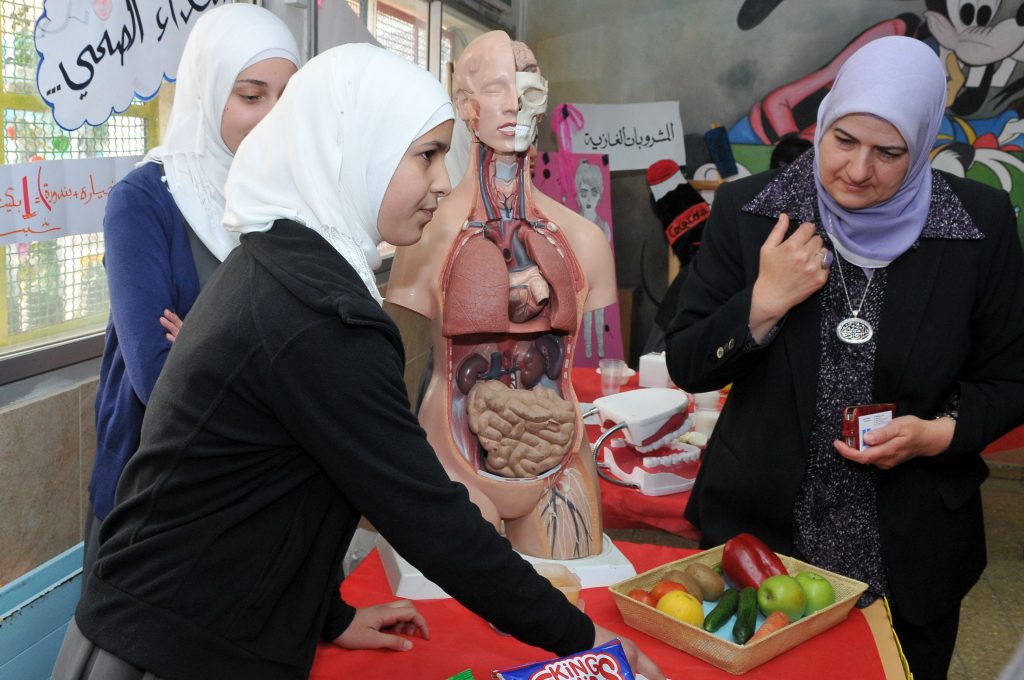 These programs are making substantial inroads in East Jerusalem communities as expressed by K O a Bet Safafa community center director who participated in the Pollin Center Health Promotion program in Bet Safafa “This was an amazing program. There have been many programs for women in the neighborhood, but none like this one. It has changed the entire village.”
The Ultra-Orthodox Haredi community
Ultra-orthodox Jewish (Haredi) women report higher rates of obesity and diabetes while facing significant financial and socio-cultural barriers to maintaining health.
This community upholds a culture of seclusion and isolation from Israeli organizations and is permeated by a profound lack of trust of outsiders. We partner with accepted individuals and organizations to enable us to enter these communities and create culturally-acceptable and effective interventions. Current partners in our Haredi community-based programming include: • Bishvilaych Haredi Women’s Health Organization •Ministry of Education: Haredi Branch •Municipality of Bnei Brak • Shalheveton Women’s Organization of Belz
Community Based Programs implemented in the Haredi community:
- Haredi Girls’ High and Post-High School (Seminar) Health Promotion Programs in Jerusalem and Bnei Brak
- Belz Hasidic Community of Jerusalem Health Promotion Program: Community Leader Health Promotion Training, Walking Program with pedometers, Health Newsletters, Exercise in Your Neighborhood Groups, Workshops on baking, cooking, and stress management
- Belz Hasidic Girls’ Schools of Jerusalem Health Promotion Program (nursery through seminar students and teachers: Teachers’ Health Promotion Training, Health Message Posters, Walking Program with pedometers for teachers and post high school students, High School Health Ambassador Training, and a Culturally-Tailored Girls’ Exercise Instructional Video.
- Food Literacy –This train-the-trainers initiative utilizes a gamified interactive manual developed by Pollin Center staff, and transforms lay-leaders into effective agents of healthy living through food literacy.
- Newly-Wedded Wellness (NWW) – This program empower and trains new brides in healthy living as part of the traditional bridal education process. Kallah teachers (KT) act as agents of change and provide each bride with an easy to use healthy lifestyle handbook.
- The Praiseworthy Kitchen: An Innovative Cooking Guide for the Ultra-Orthodox Community
The General Community
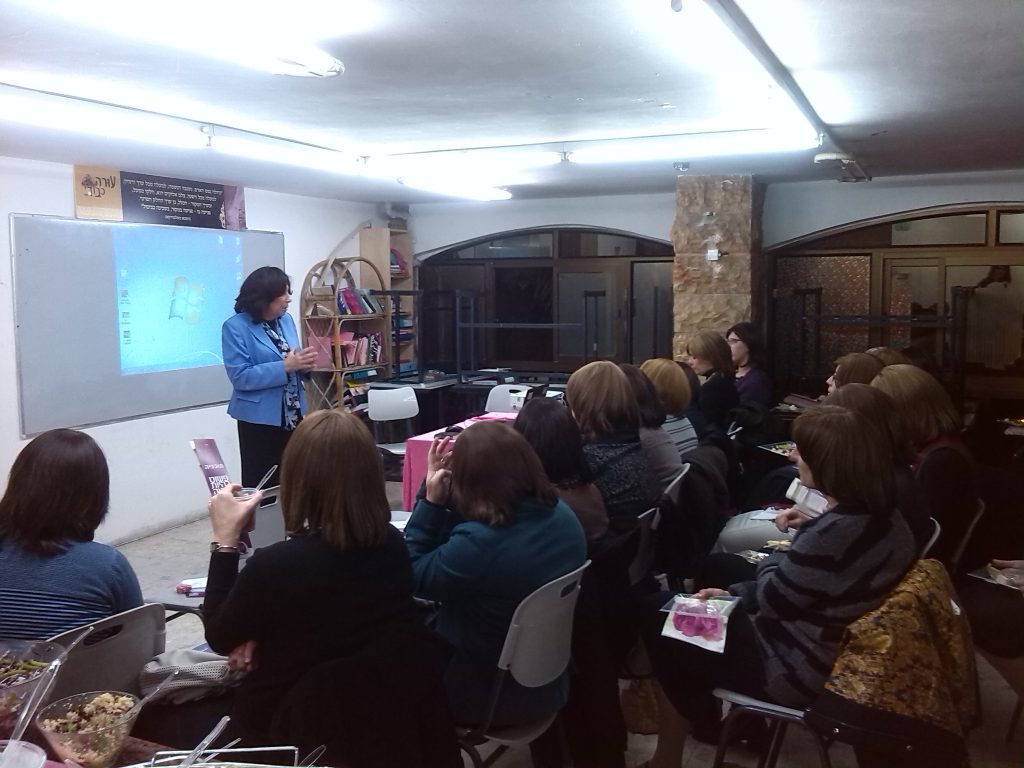
The Pollin Center works intensively in lower socio-economic communities with greater needs. Our “Train the Trainers” programs significantly magnify the effect and sustainability of our interventions.
Community-Based Programs currently being implemented in the general community:
- Workplace Health Promotion
We train mid-level managers and human resource directors to become agents of health promotion within their workplace. These managers are trained to assess the health needs within their organization, plan and implement health promoting interventions and to assess the outcomes. This program has been implemented in cooperation with Naamat, the working women’s advocacy organization and the Civil Service Commission - Health Literacy
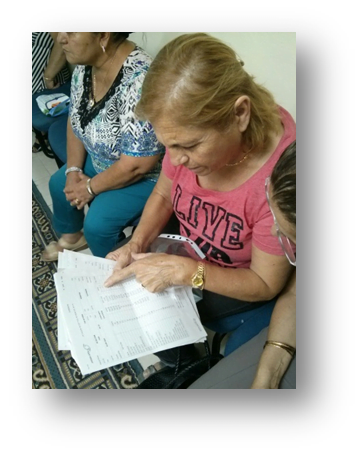
This three session workshop trains women to take charge of their health status and that of their families. Program evaluation shows increased preparation for doctors’ visits, increased ability to read and interpret lab results, and increased satisfaction with health care visits. The expertise of the Pollin Center team in this field has been internationally recognized. - LifeClick
A web-based e-health tool that creates personalized recommendations for preventive medical care, overall health maintenance and wellness. - Health Promoting Community Centers
A training and mentoring program for local Community Center coordinators, to establish community centers as health-promotion centers within their communities. - Intensive Heart Healthy Lifestyle Intervention – a 12 week health promotion program that builds the knowledge and skills that enable sustained heart healthy living with the addition of tools targeting emotion regulation and mindfulness.
- Health Coaching- an 8 week group coaching program that helps participants overcome internal obstacles to healthy living
- Health promotion for Hadassah employees
Stress reduction workshops, pedometer programs, and nutrition workshops for hospital female employees
2. Public Policy
Public policy that promotes cardiovascular health and awareness of heart disease in women is core element of achieving women’s wellness.
The Pollin Center created a National Women’s Heart Health Charter to promote work related to cardiovascular health. The charter was endorsed by over 50 medical professionals and public opinion leaders. The Pollin Center has developed further partnerships with government, public, and private entities including:
- The Israeli Ministry of Health
- The Israeli Ministry of Education
- City and local government
- National councils
- Health plans (HMOs, PPOs)
- The Israeli Heart Society
- Women’s activist groups
- Members of Parliament and Parliamentary committees
Current Pollin Center efforts are focused on reducing health disparities by minimizing the costs of ambulances and ER visits due to the onset of chest pain and early signs of stroke.
3. The LJP Multi-Disciplinary Cardiovascular Clinic for Women
The signs and symptoms of heart disease differ between men and women. Appropriate diagnosis and treatment may differ based on metabolic and hormonal variance between the genders.
The Pollin Center is also working to lead the way in the development of preventive and behavioral treatment programs for women. Women may want to start exercising or lose weight, but they often lack the tools necessary for making these desired behavioral changes.
The Linda Joy Pollin Cardiovascular Wellness Clinic recruits women with cardiovascular disease and three or more risk factors for heart disease for specialized programs that target behavioral change.
At the Pollin Center Research Clinic, each woman sees a a cardiologist, nutritionist, physical therapist and psychologist to help create an individualized motivation and treatment program.
Together with the patient, the Center’s clinical heart health team creates a SMART (specific, measurable, achievable, relevant and time-based) plan for each woman, taking into account individual goals and potential barriers preventing her achievement of optimal health.
4. Translational Research
The Linda Joy Pollin Women’s Cardiovascular Wellness Institute develops and researches interventions that will lead to measurable changes in women’s heart health. The Institute does this by performing basic science research, as well as epidemiological, clinical and health promotion initiatives, all of which promote women’s heart health.
Clinical and community-based efforts are accompanied by evaluation and research to ensure maximum effectiveness.
5. Increasing Knowledge and Awareness of Heart Disease through Social and Traditional Media
The Pollin Center’s websites and social media campaigns increase knowledge and awareness about cardiovascular health and provide concrete tools to improve women’s cardiovascular health. We work to generate media interest by publishing information via the internet, television, radio, and newspapers.
6. Healthcare Provider Education
Women are entitled to gender-appropriate medical care. We seek to ensure optimal treatment of women by health care professionals. Many women with chest pain or other cardiac symptoms do not receive appropriate evaluation and treatment,
The Pollin Center Healthcare Provider Education Program targets physicians, nurses, and other health care professionals involved in the care of women, working to increase knowledge and understanding of the differences and complexities inherent in the treatment of women with heart disease. The program ensures that professionals are equipped with updates on the latest research and guidelines for the appropriate form of cardiovascular care for women.